

Emphasizing worker safety in the demolition and abatement industries is critical for a company’s success and reputation. We’ve compiled a demolition safety checklist to ensure that success and show what steps we’ve taken at Precizion to promote the safety and continued wellbeing of every team and project.
Whether you’re hiring for a project, or part of a company doing the work, it’s important to know the safety measures demo and remediation businesses need to follow to keep workers safe.
Why Following Demolition Safety Standards is Important
Demolition workers face numerous risks in their day-to-day activities, from exposure to environmentally hazardous materials (like asbestos, silica, lead and mold) to working at heights and in confined spaces. Add to that the fact that demolition can generate significant amounts of dust, noise and debris and you can see that creating, implementing and monitoring an extensive safety plan is paramount to reduce the health risk.
Ensuring the safety of workers and providing continued safety training not only protects their physical health but also contributes to their mental wellbeing and job satisfaction. This is not only vital for the workers but has the added benefit of optimizing project completion and ensuring the safety of other non-workers who may be near a site.
Know the 5 Biggest Hazards on Demolition Sites
While any number of hazards can arise while performing demo and abatement services, most typically fall into one of these five categories:
- Falls
- Exposure to loud noises
- Being struck or buried
- Exposure to hazardous materials
- Performing physically demanding tasks
While these hazards may seem obvious, always keeping them top-of-mind is the first and most important step to ensuring safe working conditions. Maintaining workplace awareness (also referred to as situational awareness) is critical to worker safety.

How Precizion Partners Keeps Workers Safe
Precizion Partners’ goal is to protect our workers and ensure they finish their workday safely.
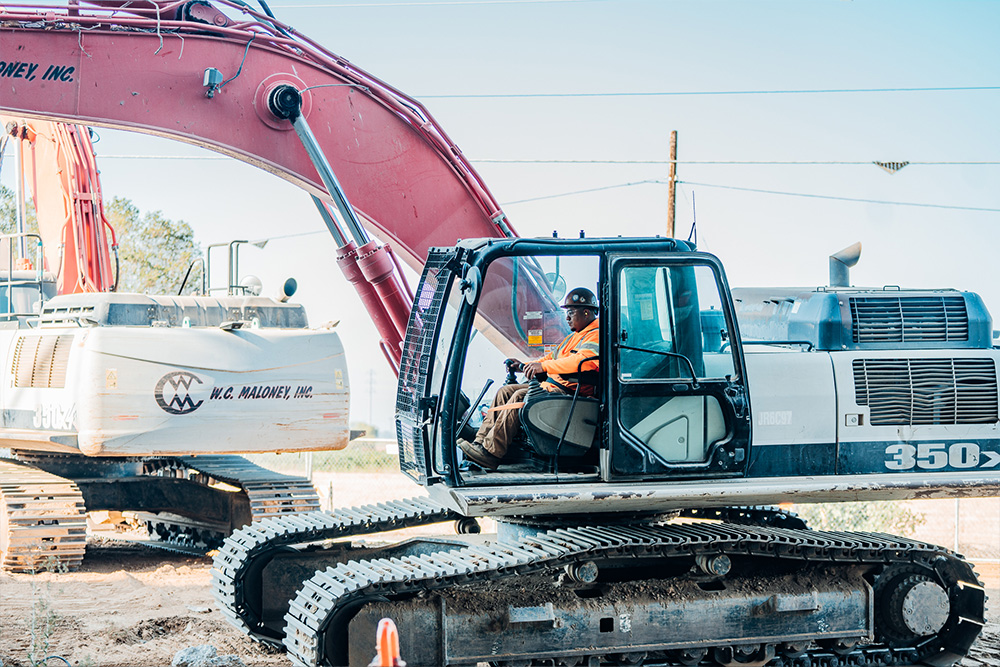
Enter Eric Edsberg, the Director of Compliance and Training for Precizion Partners and our subsidiaries W.C. Maloney and Professional Asbestos and Lead Services (PALS). Eric has developed stringent safety standards, as well as utilizes technology to put safety protocols, measurements and reporting capabilities in the hands of our teams out in the field. Eric ensures that our demolition services and remediation services follow strict compliance to the safety regulations.
After careful safety planning, Eric also spends considerable time on job sites, ensuring proper equipment is worn, monitoring risks and creating a safe environment for the team, the general public and the property around the site.
Eric has been invaluable in raising the safety bar. He also maintains a position on the National Demolition Association Safety Committee affording him the opportunity to network throughout the industry and continue his learning. The knowledge he gains is put back into the training sessions conducted for all the workers.
Demolition and Remediation Safety Checklist
We’ve compiled a list of the ways Eric and Precizion, along with any other reputable demolition and remediation contractor, keeps everyone safe on work sites.
1. Pre-plan
Most businesses don’t think about preparing for something bad until it happens. Having a detailed plan in place before starting any demolition work is a must. This plan should make sure the dynamics of the job site are known, and where the risks are, to all those involved. Holding regular meetings and discussions up front will help everyone prepare for the known and unknown, as well as ensure the entire team is prepared for what lies ahead.
2. Train & Educate
Workplace safety is not inherent in a site, nor within a workforce. It is a skill set that must be honed over time. Implement standardized training for employees so they have appropriate qualifications and experience going in. This training should cover situational awareness and hazard response, and be delivered via discussions, reference resources and hand-on learning sessions, which might include tabletop exercises (conducting realistic emergency scenarios in safe, low-stress environments) PPE education and emergency drills (such as fire drills or contamination drills). Site specific training before site entry is also recommended for federal regulation compliance as well as a well-fortified safety plan.
3. Know the OSHA Standards
Under the Occupational Safety and Health Act (OSH Act), Public Law 91-596, employers have a legal responsibility to provide a safe workplace for employees. The Occupational Safety and Health Administration (OSHA) is a government agency served with overseeing adherence to the OSH Act. To that end, they have compiled standards and compliance guidelines for specific industries, that when not followed can lead to citations and fines. So be familiarized with the following any that apply to your project:
4. Be Aware of Hazardous Materials
Whether you are there for remediation or demolition purposes, be aware of exposure to hazardous materials. Many old buildings were built with materials like asbestos and lead and they no longer meet health and safety standards. Tools are available to monitor the health of the surrounding air and specialists should be called in if you encounter any materials deemed hazardous. Asbestos is one of the most dangerous hazards in the workplace. Before any demolition work can occur, any licensed or non-licensed asbestos on the site must be safely identified, properly contained and fully removed. If not done prior to start, and asbestos is discovered later on, all operations must be halted until it is abated by a remediation contractor. Since we handle both demolition and remediation, Precizion ensures workers are qualified to remove hazardous materials in a safe manner.
5. Wear PPE
Professional Protective Clothing (PPE) is a must for demolition and remediation work. PPE is any equipment that minimizes the risk of injury or accident to a worker. Workers should be provided with all relevant PPE to a project, and given clear, easy access for replacement, if needed. All the types of PPE required will vary by job, but at bare minimum demolition works must wear 5-part PPE all times, which includes:
- Hard hat
- Safety glasses
- High-visibility vest or jacket
- Safety gloves
- Steel-toe capped boots
Depending on the job, some other PPE that may be required:
- Face masks
- Welding masks
- Fire-proof overalls
- Respiratory protection
- Hearing protection
- Personal Fall Arrest Systems (PFAS)
6. Adhere to Rules and Regulations
What applies to one demolition or remediation project will rarely apply to another the same exact way. Whether it comes to removing hazardous materials or the types of PPE required, the standards can vary and be contingent on the specific demolition project, state and federal rules, or a client’s specific needs. So it is vital to understand all the rules and regulations pertinent to each and every project. We also recommend adhering to regulations that a project might not legally be held to. For instance, although the EPA’s regulations on lead-based renovations do not apply in whole to demolitions, it’s best to follow them as closely as possible to protect workers (and the community) from harmful lead exposure.
7. Keep Conditions Clean and Healthy
When a large group collaborates on the same site, especially in the construction industry, working conditions can deteriorate fast. The OSHA has strict cleaning standards on maintaining everything from the equipment to the break room. So it’s important to uphold those conditions, whether that means preventing slips on wet floors or providing fresh drink water to keep workers hydrated. That also means ensuring emergency equipment like fire extinguishers and first aid kits are stocked, tested and up-to-date.
8. Mitigate Noise, Dust and Vibrations
Demolitions can cause high levels of noise, vibrations and dust, all of which can cause serious physical harm to workers, as well as non-workers in the vicinity. Proper PPE will help mitigate many of the risks. So too will engineering controls and administrative controls (such as creating work schedules that avoid excessive exposures).
9. Utilize Safety Technology
Technology and other daily feedback tools should be used to identify risks that arise or environments that change. Demolition sites are very busy and you don’t have control over what other subcontractors do. Controlling your own environment is critical, and having the right tools will help.
10. Maintain Frequent Communication
Frequent communication regarding risks, concerns and accidents is key. Workers should be made aware of what’s happening on the site around them at all times. This not only includes communicating between management and workers and communicating with neighboring residents and businesses, but it also includes enabling communication between workers. When workers work together, the workplace is a safe place.
For instance, Precizion encourages workers to document “near misses” as those situations can provide valuable feedback for overall safety.

Promoting a Culture of Safety in Demolition and Remediation
The OSH Act was signed into law in 1970. According to the U.S. Department of Labor, the rate of accidents and health problems in the workplace dramatically decreased from 10.9 cases per 100 workers in 1972, to 2.8 cases in 2018. This data alone shows the importance of prioritizing worker safety in the demolition industry.
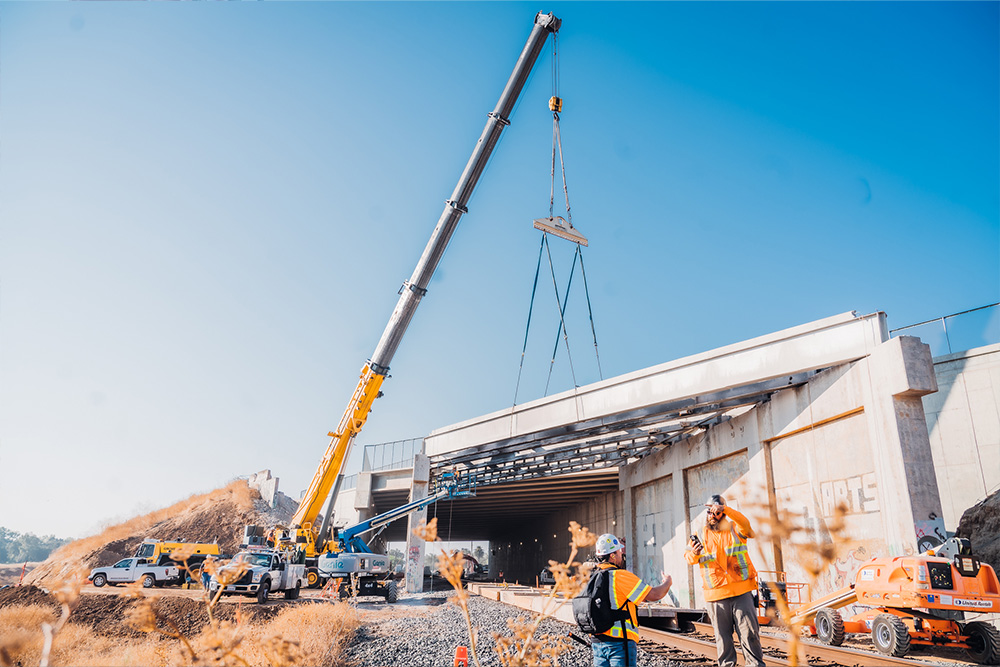
Yes, demolition sites are inherently dangerous, with heavy machinery, falling debris, structural instability and multiple contractors sharing a project site. But failure to implement proper safety measures that result in the prevention of injuries or fatalities for workers should never be a thing. That is why a strong culture of safety pervades Precizion. Getting our employees home safe and sound is of the utmost importance.
Sure, following safety protocols and maintaining a stellar safety rating is good for business. General contractors are aware of each company’s safety records and a strong reputation has proved beneficial in winning new jobs for Precizion Partners. But keeping workers safe is more than that. It’s about the talented people that make it all possible. Every demolition and remediation contractor has a moral, ethical and legal duty to keep their workers safe, and we are proud to be one of the leaders in our industry in doing exactly that.


