New Office Supports Demolition and Remediation Project Growth Into New Regions
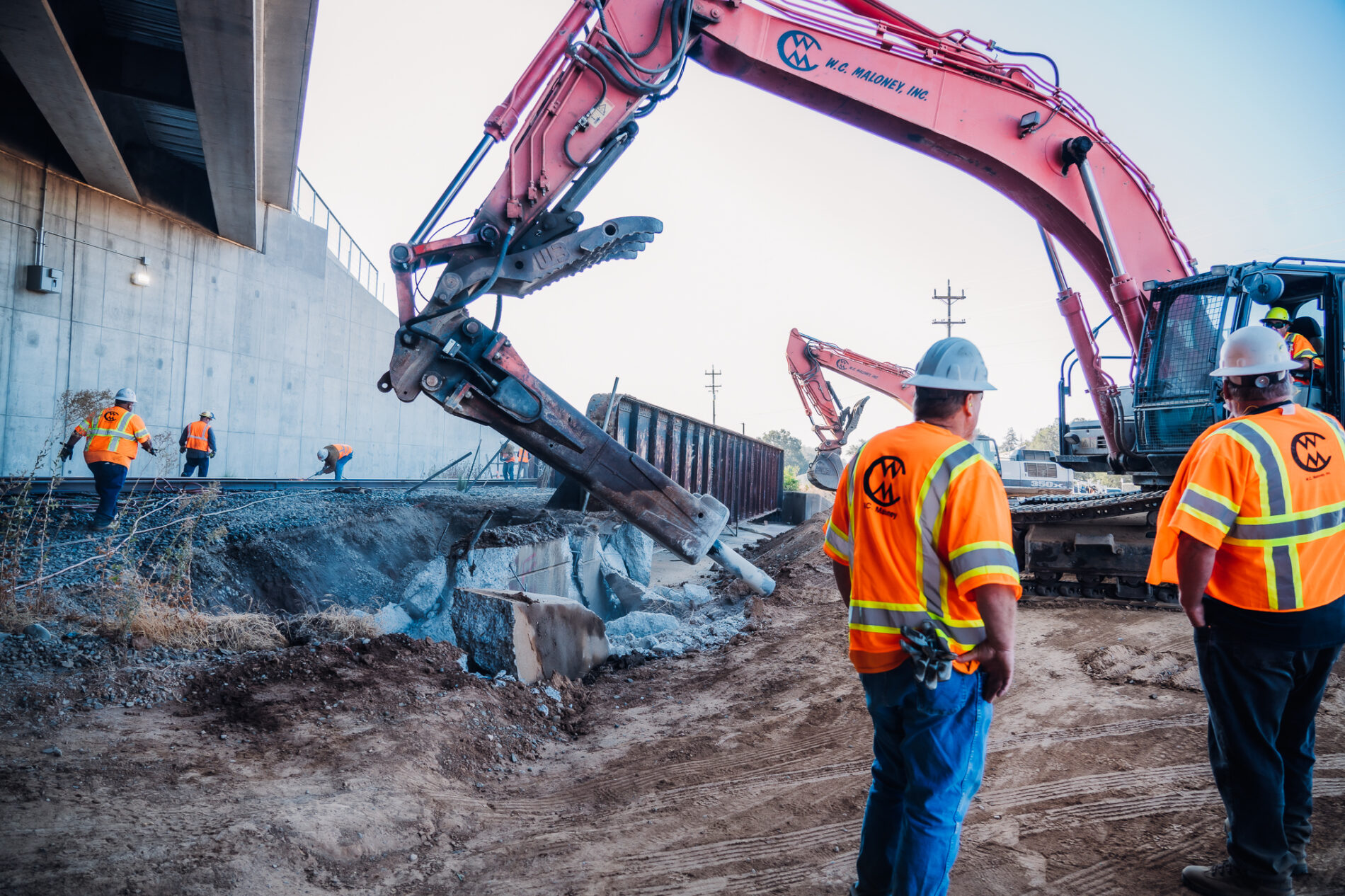
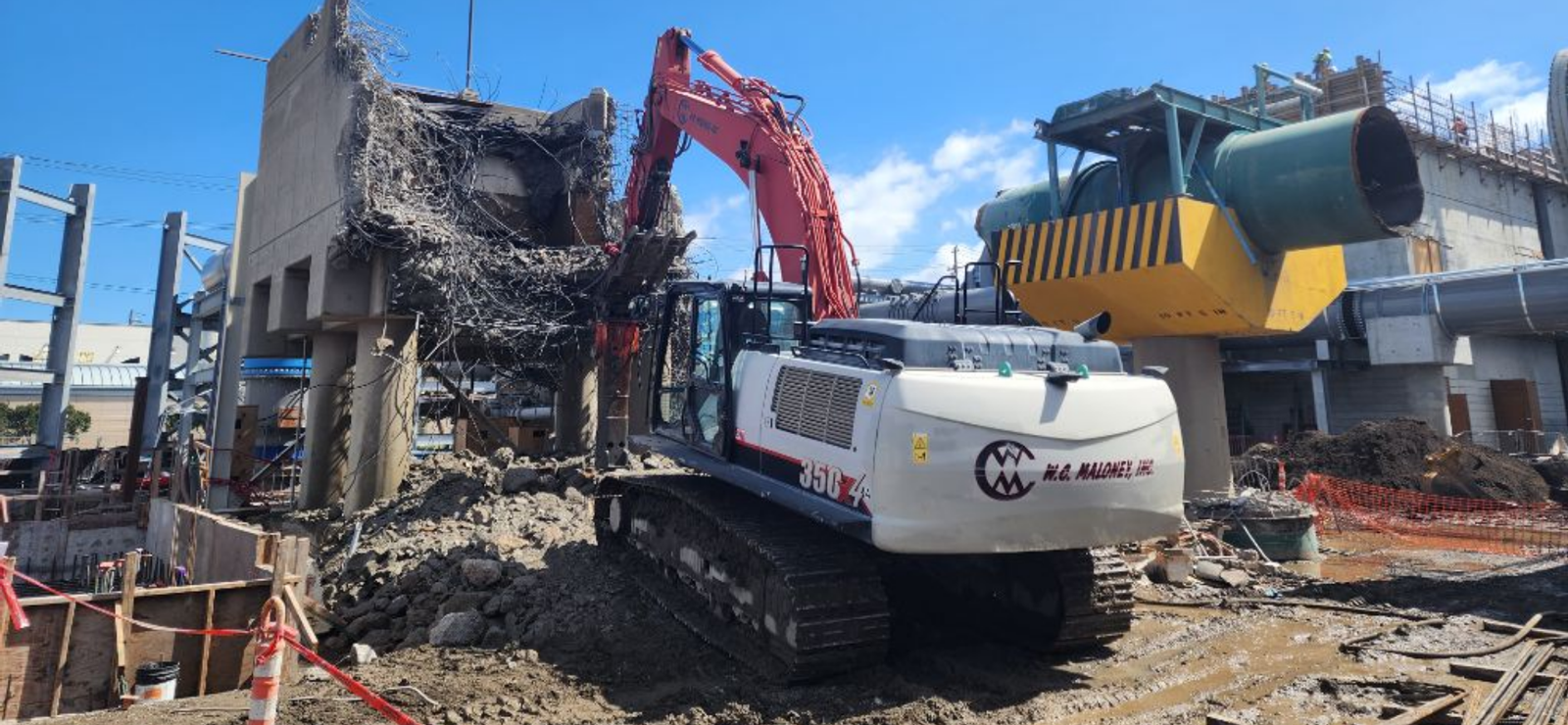
Roseville, CA – November 29, 2023–Precizion Partners™, a leading demolition and remediation company, is pleased to announce the opening of a new office in Pittsburg, CAto add to its offices in Stockton and Roseville. The new location is part of a growth strategy to better serve existing and future construction industry customers throughout the Bay Area. Servicesinclude heavy and interior demolition, saw cutting and core drilling, site clearing, GPR scanning, and asbestos, lead, and mold remediation.
“We are excited to actualize our growth into new geographic markets, and continue to extend our diverse capabilities throughout California,” said Joel Leineke, President of recently rebranded Precizion Partners. “We are hiring talented estimators, project managers, and trade workers while ensuring we stay true to the core values and culture that are so important to our company”.
The addition of the Pittsburg office will enable Precizion and its subsidiary companies W.C. Maloney and Professional Asbestos and Lead Services (PALS) to localize additional resources in equipment and manpower to support a variety of projects in the region. The resulting enhancement in innovativesolutions, projectefficiencies, and responsive collaboration support our goal of continuously exceeding customers’ expectations.
About Precizion Partners
Precizion Partners is a leading demolition and remediation company serving the construction industry throughout California. Precizion currently has subsidiaries W.C. Maloney and Professional Asbestos and Lead Removal Services (PALS) under management and is looking to grow their platform through acquisitions to create a full-service company delivering unparalleled efficiencies, safety, and performance.
Roseville, CA – March 14, 2022 – DCA Partners (“DCA”), a leading West Coast private equity firm, is thrilled to announce its majority investment in The Maloney Group, a Stockton-based demolition and remediation company that specializes in the demolition of infrastructure. The Maloney Group is the fourth investment out of DCA’s Fund III.
The Maloney Group provides services across Northern California, including heavy demolition, interior demolition, concrete cutting and drilling, and site clearing. The Company is uniquely positioned in the industry to handle both demolition and abatement of hazardous materials.
“We are impressed by The Maloney Group’s long-standing reputation and expertise in infrastructure demolition” said Steve Mills, Partner at DCA Partners. “DCA’s investment will provide additional resources to allow The Maloney Group to continue its growth in Northern California and beyond.”
The Maloney Group’s founders will continue to operate the business in partnership with DCA. The founding team has worked together for more than 20 years.
“There is a significant growth opportunity ahead of us as California repairs its aging infrastructure with funds from the new federal infrastructure program,” said Curt Maloney, CEO of The Maloney Group. “These projects will create tailwinds for the demolition and remediation industry, and partnering with DCA will allow us to tap into these new opportunities.”
DCA has a long history of partnering with great companies and teams through growth equity investments. For more information about DCA’s investments in well-run, emerging businesses across the West Coast, please contact Steve Mills at stevemills@dcapartners.com.
About DCA Partners
Based in Roseville, DCA Partners provides capital to growth-oriented, middle-market businesses in under-served regions across California and other western states. DCA partners with top-quality owners and management teams, providing the capital and expertise needed to successfully expand their businesses.
About The Maloney Group
The Maloney Group was founded in 1995 as W.C. Maloney, Inc., and has built its reputation on completing large complex demolition and remediation projects on time and on budget. The Stockton-based company provides a full complement of demolition, concrete cutting & drilling, and site-clearing services across Northern California. The Maloney Group is proud to be a leader among demolition firms in recycling and recovery.
New Name and Logo Reflects Renewed Emphasis on Growth Platform for Subsidiary Companies
Stockton, CA – November 16, 2023 – The Maloney Group, a leading demolition and abatement company, rebranded today to Precizion Partners (Precizion) to emphasize its renewed strategic initiatives and its growth and acquisition strategy throughout California. The company is currently comprised of W.C. Maloney and Professional Asbestos and Lead Services (PALS), leaders in the fields of demolition and remediation, respectively. In a highly fragmented construction industry segment, Precizion Partners is utilizing 30+ years of demolition and abatement experience to purpose-build a platform delivering unparalleled services to their customers. The new brand and logo personify scalability in existing and future partnerships in an industry that requires deep expertise, innovation, and an unwavering attention to detail.
“Precizion Partners was launched with the bold goal of building a different kind of company,” said Joel Leineke, President of Precizion Partners. “The Maloney Group initially brought together two strong complementary companies. Precizion is looking to scale that growth and create a technology-enabled platform with expanding services and an aligning culture of safety, efficiency, and responsiveness. We want to build a premier partner for our customers.”
Precizion’s improved branding will provide a better understanding of the company’s mission, vision, and values, with enhanced customer experiences and value-added services. The unique spelling of the new name and logomark design points to Precizion’s detail-orientation from A to Z in all that the company does.
Precizion’s strategy includes expanding more aggressively into the Bay Area and southern California, as well as looking to expand services to fill identified gaps so partners can have a true one-stop shop for all facets of the demolition and remediation space.
About Precizion Partners
Precizion Partners is a leading demolition and remediation company serving the construction industry throughout California. Precizion currently has subsidiaries W.C. Maloney and Professional Asbestos and Lead Removal Services (PALS) under management and is looking to grow their platform through acquisitions to create a full-service company delivering unparalleled efficiencies, safety, and performance.
Choosing a Hazardous Materials Remediation Company
General contractors (GCs) have a plethora of projects that entail renovating or tearing down older buildings. These GCs are in need of quality, accredited remediation companies as partners to ensure they are following all rules and regulations, as well as doing the work in a safe and environmentally sound manner.
Below is a quick guide to help general contractors and those in the private sector make an informed decision when choosing a hazardous materials remediation company to work with.
9 Tips for Choosing a Hazardous Materials Subcontractor
The list below covers the critical things to think about when choosing a hazardous materials contractor partner.
1. Industry Certification and Licensing
Any remediation company you work with must have obtained the proper education and training in abating hazardous materials. This means they have all the necessary certificates and licenses that a contractor must have in order to perform remediation services. Proof of these certificates and licenses should be readily available from any reputable partner.
For starters, the contractor you choose should be licensed through the Contractors State License Board (CSLB) with the following classifications:
C-22 – Asbestos Abatement: Describes how an “asbestos abatement contractor performs abatement, including containment, encapsulation, or removal, and disposal of asbestos containing construction materials, as defined in Section 6501.8 of the Labor Code, in and on buildings and structures.” Ensures that all work performed, and all documentation prepared by an asbestos abatement contractor, is done in accordance with regulations and requirements of the Department of Industrial Relations’ Division of Occupational Safety and Health (DOSH).
With respect to hazardous material certifications, the following are important to have:
It’s also worth checking to see if they’re registered with government agencies at both the state and federal level. This adds an extra level of legitimacy to the firm. For example, here are some you’ll find for PALS:
There is no substitute for choosing a partner with experience. The abatement of hazardous materials is a perilous task – make sure they know what they’re doing, and have done it before.
For instance, when asbestos is disturbed, microscopic fibers are released into the air. If inhaled, these fibers could pose severe health risks, including lung cancer, asbestosis, and mesothelioma. A seasoned remediation contractor possesses the specialized knowledge and training necessary to conduct thorough assessments, develop meticulous removal plans, and employ precise containment measures to minimize the dispersion of asbestos fibers. They are equipped with the appropriate safety gear and advanced equipment, as well as follow stringent regulatory guidelines, to ensure the safe and effective removal of this hazardous substance.
A great indicator of experience is if the firm offers a diverse range of remediation services. For example, at PALS we offer:
Asbestos abatement
Lead abatement
Mold abatement
Soil remediation
Hazardous waste management
Underground Storage Tank (UST) removal
Experience Coordinating with General Contractors
Most of PALS’ remediation projects are in concert with a construction General Contractor concerning a demolition or renovation project. Complex timelines are planned out and the asbestos or lead remediation component is often at the beginning of the project. We have heard countless times that it is invaluable for the remediation partner to have extensive planning meetings prior to the creation of work plans. It is critical that the remediation partner helps the general contractor troubleshoot unforeseen situations ahead of time so they know the risks to look out for.
Most GCs do not know the ins and outs of hazardous materials remediation. They need help understanding the intricacies and nuances of a particular job and how they impact a particular situation. That is why it is crucial to find a remediation company who can provide insight for testing professionals or to other agencies in charge of the project.
3. Safety Protocol Compliance
Safety protocols and compliance are paramount for any hazardous materials contractor, ensuring the well-being of both workers, the jobsite teams, and the environment. Rigorous adherence to established safety measures is non-negotiable, beginning with comprehensive risk assessments and hazard identification prior to commencing any project.
Find a partner known for meticulous planning for the containment, removal, handling, and disposal of hazardous materials. Remediation specialists ensure everyone is wearing the appropriate personal protective equipment (PPE) for workers and that regular training and drills are conducted to foster a culture of awareness and preparedness, ensuring that every member of the team is well-versed in emergency response procedures and knows the inherent dangers of non-compliance.
It is important that the asbestos abatement team company stays abreast of local, state, and federal regulations; this is imperative as non-compliance can lead to severe legal repercussions and, more importantly, jeopardize the health and safety of all involved parties. California has rigorous regulations surrounding hazardous materials and they change often. A hazardous materials contractor must be unwaveringly committed to upholding the highest standards of safety and compliance throughout the entirety of their operations.
4. Insurance and Liability Coverage
This is an easy one. Before partnering with any remediation service, a general contractor must ensure that the subcontractor has the appropriate levels of insurance and liability coverage. This protects both the general contractor and the remediation company in the event of accidents or unforeseen circumstances.
But don’t just ask if they have insurance; confirm what types of insurance they have, and what each covers. Different scenarios require different types of insurance. Without them the GC may be held liable.
5. References and Testimonials
Many companies claim to have experience with the abatement of asbestos and other hazardous materials, but it is another thing to have those claims validated. Most remediation companies should have a large list of references who will stand behind their previous work and give you an honest testimonial about the capabilities, safety approach, timeliness, and general knowledge of a partner.
6. Customer Service and Communication
Good communication and customer service is not always a given. Ensure your remediation partner excels at both, as they are critical components of a successful completion of a project. Find a partner who answers the phone right away (and doesn’t send you to a lengthy automated phone tree). They should be responsive to both simple and complex questions. They should value communication and provide regular updates.
Projects seldom go exactly as expected and problems often arise that need immediate troubleshooting. Any abatement company should be ready to jump in and help find a solution with great customer service.
7. Environmental Responsibility
Find a hazardous materials remediation subcontractor whose company culture prioritizes environmental responsibility and sustainability. The company should ensure their practices are sustainable and environmentally conscious and make every effort to incorporate that into all their actions. Cleaning up the world is a difficult mission so find a partner who believes in the future.
Why Choosing the Right Remediation Specialist is Important
Although asbestos is fireproof, and heat and chemical resistant, and was even considered a “miracle” product in the early 1900s, it is now known as one of the most dangerous construction substances. In response, the EPA has established several asbestos laws and regulations.
The EPA has similar laws and regulations pertaining to lead. Notably, the EPA requires that any renovation, repair or painting projects that could potentially disturb lead-based paint in buildings including homes, childcare facilities and preschools built before 1978 be performed by lead-safe certified contractors, like us.
Like asbestos and lead, all hazardous materials are now governed by strict regulations. These warnings exist to ensure hazardous materials are managed with care. That is why it is so important to choose the right hazardous waste remediation specialist for your project.
To learn more about the process, visit our hazardous waste remediation page.
Asbestos is synonymous with danger and health risks, especially in the workplace. Here are some quick facts showing just how dangerous asbestos can be:
Let’s take a closer look at asbestos, and explore what ways we can avoid dangerous exposure.
What is Asbestos?
Asbestos is a naturally occurring mineral composed of thin, durable, microscopic fibers. At one time, asbestos was considered a “miracle mineral.”
Known for its highly-effective resistance to heat, electricity, chemicals and corrosion, and as an acoustic insulator, asbestos was a popular additive to thousands of construction and manufacturing products throughout the 1900s. (The term “asbestos” comes from the Greek word “amiantos,” which translates to “inextinguishable.”)
Despite its benefits for construction and manufacturing, asbestos is widely considered an extremely dangerous, hazardous material.
A Brief History of Asbestos in the U.S.
Mining for asbestos started in 1894 and grew to its height in the United States in the late 1960s and early 1970s. California has some of the largest naturally occurring asbestos deposits in the world, where it is found in ultramafic and serpentine rock, often near fault zones. As such, the state had the highest concentration of asbestos mining in the country, with the Calaveras mine in Copperoplis being the biggest producer during the 60s and 70s.
By then the dangers of asbestos were becoming obvious as the causal link between asbestos and cancers and health risks such as mesothelioma was mounting. The Environmental Protection Agency (EPA) banned several types of asbestos in the mid-70’s due to concerns over the health effects associated with exposure to such materials. Subsequent strict federal asbestos regulations helped diminish its use and risks, causing the mining of asbestos to decline until its complete end when the last asbestos mining operation closed in California in 2002.
Asbestos is very dangerous due to the durable microscopic fibers it releases when disturbed. When those fibers are inhaled it can lead to serious health risks.
Prolonged exposure to asbestos fibers has been linked to life-threatening illnesses, such as:
Lung cancer
Mesothelioma (a cancer attacking the tissue lining internal organs)
Most asbestos is not hazardous when it is in its natural state. It is only dangerous when it is disturbed and releases asbestos fibers into the air, creating the potential for fibers to get inhaled into the lungs.
After becoming airborne, some fibers may be trapped by the mucous membranes of the nose and throat and removed if exposure is known. However, the true health problems occur when the fibers pass deep into the lungs, or are swallowed, and enter the digestive tracts. This may lead to health concerns decades in the future.
Asbestos is most hazardous when it is “friable”, meaning that it is in a state that can be crumbled by hand and thus releases fibers into the air.
For example, sprayed-on asbestos insulation is highly friable, whereas asbestos occurring in floor tile is not.
It is important to note that asbestos containing building materials such as ceiling and floor tiles, cabinet tops, roof or siding shingles, will generally not release asbestos fibers unless they are damaged or otherwise disturbed in some way. If the fibers are not released into the air, the danger is minimized.
How to Prevent Dangerous Exposure to Asbestos
Asbestos is not to be messed with. Since asbestos can be found in almost any home and commercial property built prior to 2000, it is crucial to prevent dangerous exposure to asbestos by taking various precautionary measures.
The only truly safe way to do so is work with a remediation expert trained in asbestos abatement (the containment and removal of asbestos).
The process of safe asbestos abatement typically includes:
Identify asbestos-containing materials
Wear protective gear and respiratory protection
Follow asbestos removal regulations
Minimize disturbance to asbestos materials
Properly dispose of asbestos waste per code
Conduct regular air monitoring on-site
Provide medical monitoring for at-risk workers
Avoid any DIY removal of asbestos.
If you suspect the presence of asbestos — whether you’re a homeowner, business employee or construction tradesman — do not take measures into your own hands. Avoid touching the material as much as possible and isolate the area. If you can capture a small sample safely, without causing it to crumble, then you can send it to be tested by a qualified laboratory.
But your best option will always be to call an accredited asbestos inspector to handle the identification, sampling and testing for you.
Asbestos is classified as a hazardous material and should be treated like any other. It’s essential to take asbestos-related risks seriously and follow all safety guidelines and regulations in areas where asbestos may be present.
Asbestos in the Construction Industry
Because of its “indestructible” nature, asbestos was considered inherently valuable to a wide variety of manufactured products. The construction industry is rife with examples of homes and buildings erected throughout the 20th century using asbestos. This includes an exhaustive list of construction materials, including:
Cement
Furnace or pipe coverings
Insultation
Ceiling Tiles
Fireproofing materials
Drywall
Roofing
As regulations tightened and knowledge of the health risks of asbestos grew, asbestos materials were no longer allowed to be used as standard construction material. That bodes well for the elimination of hazardous materials in new buildings. However, many older homes, schools, and buildings still have asbestos materials which can become airborne during a renovation or demolition process.
Considering that these older buildings still pose risks to the occupants, the asbestos remediation business is critical to the safety and well-being of the public and construction teams.
Remediation companies must follow stringent safety and compliance protocols for everything from the surveying of the buildings to demolition rules and disposal of hazardous materials. Remediation partners must be chosen wisely for this immensely important job of keeping our people and environment safe. Visit our Remediation page to learn more about our asbestos removal services for the commercial space.
Sources: mesothelioma.com, California Air Resources Board.